Starting Your Vintage Toy Cars Collection: A Guide to Collecting Toy Cars

Collecting toy cars is a rewarding hobby that combines nostalgia, history, and the thrill of the hunt. Whether you are a beginner or looking to expand your collection, starting with vintage toy cars can be especially exciting. These miniature vehicles offer a glimpse into the past and can become valuable treasures over time. This guide will walk you through the essentials of collecting toy cars, focusing on how to begin your journey with vintage models.
Why Start Collecting Toy Cars?
Collecting toy cars is more than just gathering small models. It is about preserving a piece of automotive and cultural history. Many collectors find joy in the stories behind each car, the craftsmanship, and the evolution of design. Here are some reasons why collecting toy cars is a fantastic hobby:
Educational Value: Learn about different car models, manufacturers, and eras.
Investment Potential: Some vintage toy cars appreciate in value.
Community: Join clubs and forums to share your passion.
Creativity: Display and customize your collection in unique ways.
Starting with a clear goal helps you focus your efforts. Decide if you want to collect by brand, era, type, or rarity. This focus will guide your purchases and research.

Tips for Collecting Toy Cars Successfully
When you begin collecting toy cars, especially vintage ones, it is important to approach the hobby with knowledge and care. Here are practical tips to help you build a meaningful collection:
Research Before Buying
Understand the brands, models, and market values. Resources like books, websites, and collector forums are invaluable.
Set a Budget
Vintage toy cars can range from affordable to very expensive. Decide how much you want to spend and stick to it.
Check Condition Carefully
Condition affects value. Look for cars with original paint, intact parts, and minimal wear.
Buy from Reputable Sources
Purchase from trusted dealers, auctions, or verified online sellers to avoid fakes.
Keep Documentation
Save receipts, certificates, and any provenance information.
Store Properly
Use display cases or shelves away from direct sunlight and moisture.
Join Collector Communities
Engage with other collectors to learn and trade.
By following these steps, you can avoid common pitfalls and enjoy your collecting experience.
Which Old Matchbox Cars Are Worth Money?
Matchbox cars are among the most popular and collectible toy cars worldwide. Some older models have become highly sought after by collectors due to their rarity, condition, and historical significance. Here are some examples of valuable old Matchbox cars:
Matchbox No. 1 Models
The earliest Matchbox cars from the 1950s, especially the original No. 1 models like the Road Roller and the No. 1a, are prized.
Matchbox King Size Series
Larger models from the 1960s and 1970s, such as the King Size Ford Mustang or the King Size Fire Engine, can fetch high prices.
Error Models
Cars with manufacturing errors, like wrong paint colors or missing parts, are rare and collectible.
Limited Editions and Promotional Models
Special releases or promotional cars often have limited production runs, increasing their value.
Condition and Packaging
Cars still in their original packaging, especially unopened, are worth more.
If you are interested in collecting Matchbox cars, focus on these categories and always verify authenticity. Prices can vary widely, so consult price guides and auction results regularly.
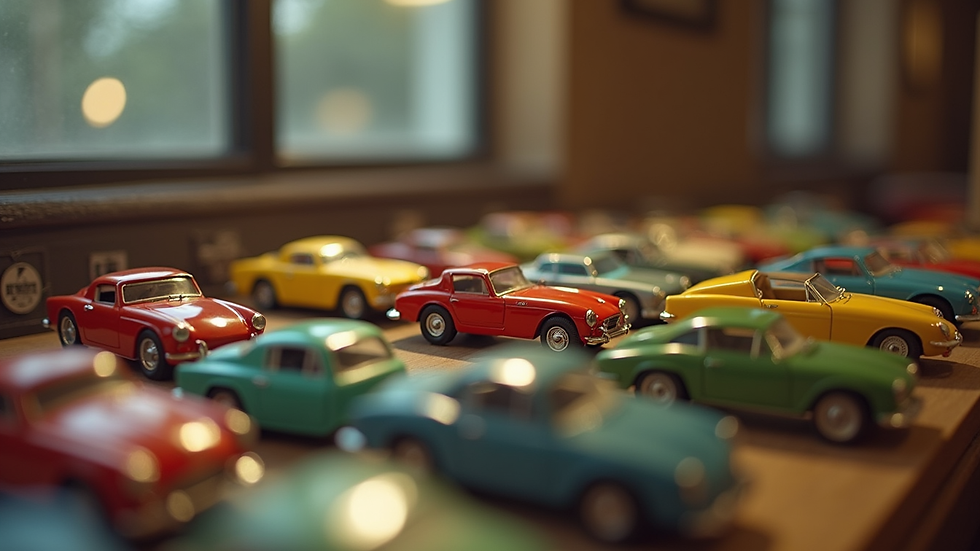
How to Identify Authentic Vintage Toy Cars
Authenticity is crucial when collecting vintage toy cars. Fake or reproduction models can be common, especially for popular brands. Here are some ways to identify genuine vintage toy cars:
Check the Markings
Look for manufacturer stamps, model numbers, and country of origin on the base or body.
Examine the Materials
Older cars often use metal bodies and rubber tires, while newer reproductions may use plastic.
Look for Wear Consistent with Age
Genuine vintage cars show natural wear, such as slight paint chipping or patina.
Compare with Reference Images
Use collector guides and online databases to compare details.
Consult Experts
When in doubt, ask experienced collectors or appraisers.
By learning to spot authentic vintage toy cars, you protect your investment and ensure your collection’s integrity.
Displaying and Caring for Your Collection
Once you have started collecting, how you display and care for your toy cars affects their longevity and enjoyment. Here are some tips:
Use Display Cases
Glass or acrylic cases protect from dust and damage while allowing visibility.
Avoid Direct Sunlight
Sunlight can fade paint and damage materials.
Control Humidity and Temperature
Keep your collection in a stable environment to prevent rust and deterioration.
Handle with Care
Use clean hands or gloves to avoid oils and dirt.
Rotate Displays
Change the arrangement occasionally to inspect and enjoy different pieces.
Document Your Collection
Keep a catalog with photos, descriptions, and purchase details.
Proper care preserves the value and beauty of your collection for years to come.
Embarking on Your Collecting Journey
Starting a collection of vintage toy cars is a fulfilling adventure that combines passion, history, and discovery. With patience and knowledge, you can build a collection that reflects your interests and grows in value. Remember to research, buy wisely, and care for your cars properly. Most importantly, enjoy the process of collecting and sharing your love for these miniature automotive treasures. Happy collecting!


Comments